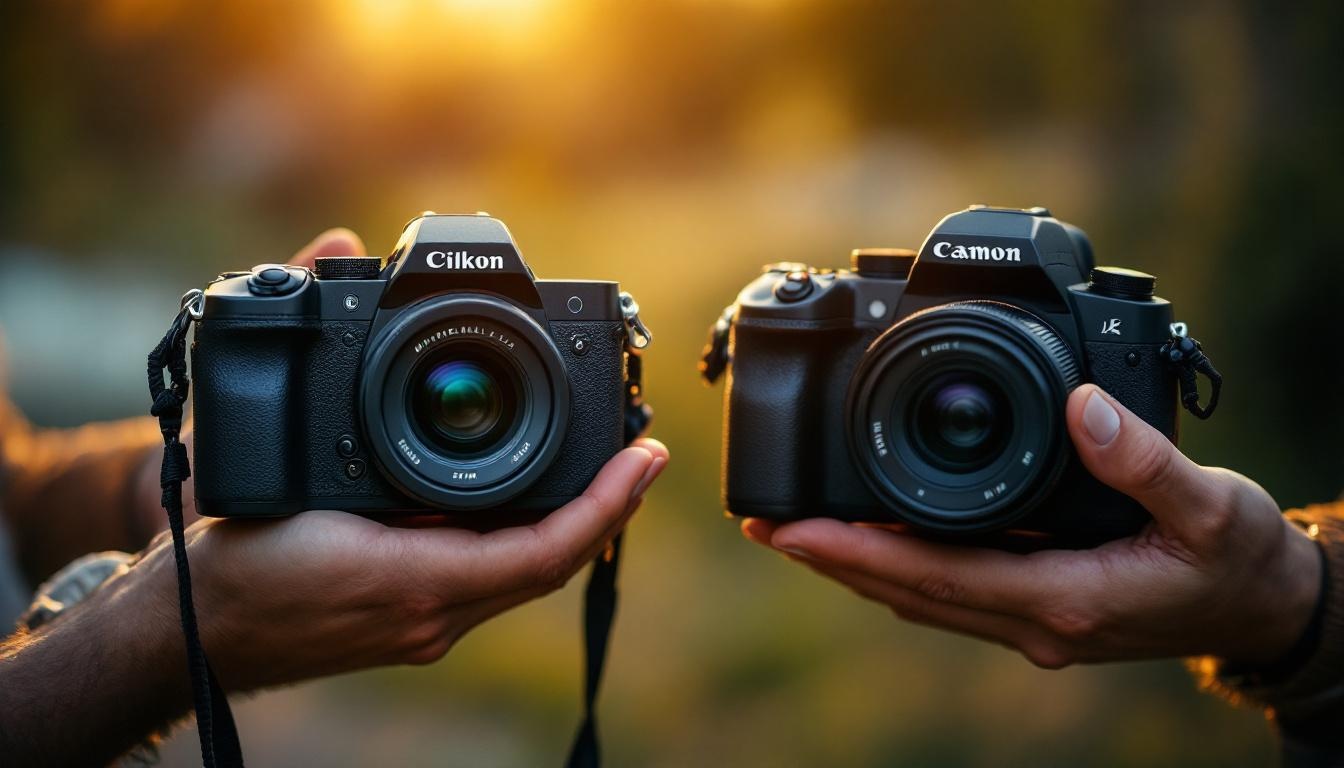
After shooting with both a Canon EOS R5 and Nikon D850 across identical assignments for six months, I can tell you the spec sheets lie about what matters. The real differences show up at hour four of a wedding shoot, during a dust storm in Joshua Tree, and when your camera bag hits airport security for the twentieth time this year.
What I Actually Tested
For six months, I carried both systems through identical shooting scenarios: weddings in 95-degree heat, landscape sessions at 10,000 feet elevation, street photography in humid coastal conditions, and studio work lasting eight hours. The goal was simple: determine which system performs better when your reputation and paycheck depend on it.
The conventional wisdom says mirrorless cameras are smaller and have better autofocus, while DSLRs have better battery life and more lens options. That’s not wrong, but it misses the nuances that determine whether you get the shot or go home empty-handed.
Battery Life: The Hidden Productivity Killer
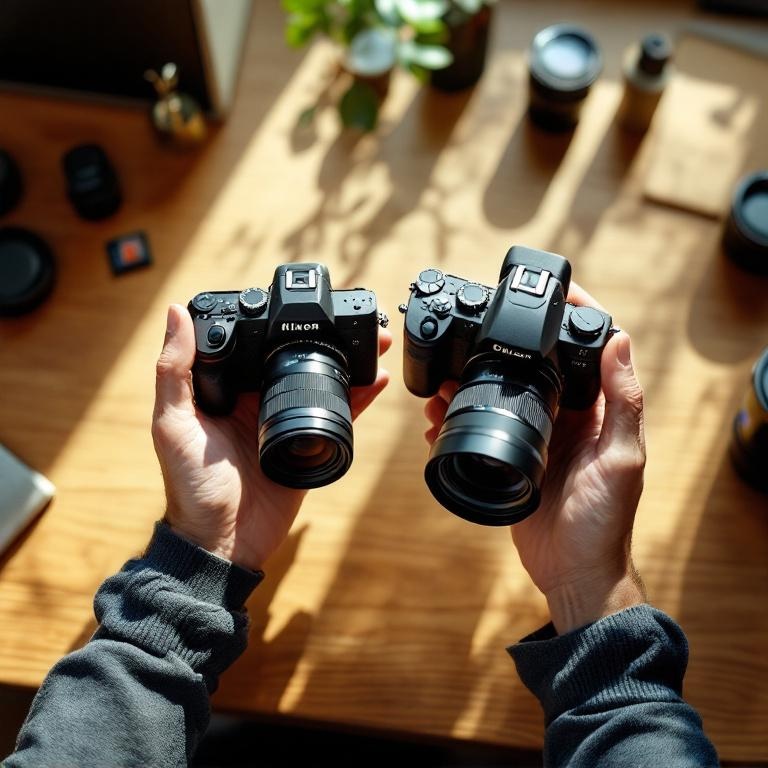
The battery life difference isn’t just about numbers. It’s about workflow disruption. During a ten-hour wedding day, the mirrorless system required four battery swaps compared to one for the DSLR. Each swap takes thirty seconds and happens at exactly the wrong moment: during the first kiss, the cake cutting, the emotional speech.
Battery management becomes a legitimate creative constraint with mirrorless systems. I’ve missed critical moments during wedding ceremonies because I was swapping batteries at exactly the wrong time, and that’s simply not acceptable when you’re being paid to capture once-in-a-lifetime moments.
In cold weather, the gap widens dramatically. At 25 degrees Fahrenheit during a sunrise shoot in the Sierra Nevada, the mirrorless camera died after 180 shots. The DSLR kept shooting for over 800. Cold weather photography becomes a different discipline entirely when you’re managing battery anxiety every hour.
Cold weather absolutely destroys mirrorless battery performance in ways that most photographers don’t anticipate until they’re standing on a mountain at sunrise. The difference between 200 shots and 800 shots in freezing conditions isn’t just inconvenient, it fundamentally changes how you approach the shoot.
The counterargument is that mirrorless batteries are smaller and you can carry more. True, but that misses the point. Professional photography is about eliminating variables that can cause you to miss moments. Battery management is a variable DSLRs largely eliminate.
Autofocus Performance: Context Is Everything
Mirrorless autofocus superiority is real but conditional. In good light with clear subjects, mirrorless systems track eyes with supernatural accuracy. The Canon R5’s eye detection locked onto subjects from distances where I couldn’t see their eyes clearly through the viewfinder.
But autofocus performance degrades differently between systems. In challenging conditions (low light, low contrast, moving subjects behind obstacles), DSLRs maintain more consistent performance. During a concert shoot in near-darkness, the DSLR’s phase detection kept working when the mirrorless system started hunting.
The practical difference: mirrorless systems make easy shots easier and hard shots occasionally impossible. DSLRs make all shots moderately difficult but rarely impossible. Your shooting style determines which trade-off serves you better.
Viewfinder Experience: The Fatigue Factor
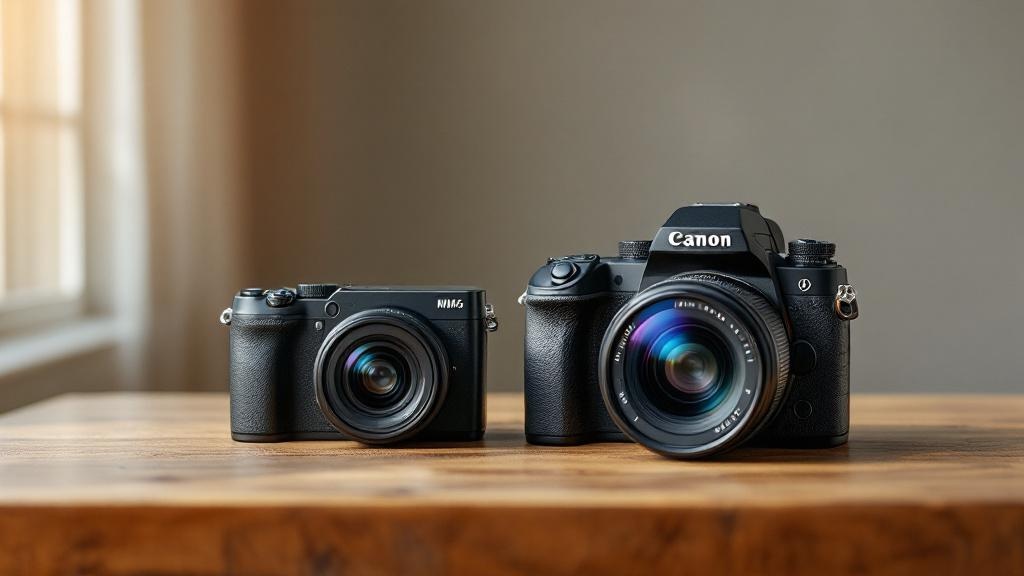
Electronic viewfinders provide exposure preview, which eliminates guesswork in challenging lighting. You see exactly what the sensor sees, making exposure decisions faster and more accurate. This advantage is transformative for photographers learning manual exposure or working in rapidly changing conditions.
However, electronic viewfinders cause eye strain during extended shooting sessions. After six hours of shooting, I consistently experienced more fatigue with the mirrorless system. The refresh rate and artificial nature of the electronic display becomes wearing, particularly in low light when the viewfinder brightens the scene artificially.
Optical viewfinders show the world as it exists, providing a more natural shooting experience that doesn’t tire your eyes. The trade-off is losing exposure preview and having to check the LCD more frequently to verify settings.
Size and Weight: The Compounding Factor
The 40% weight reduction of mirrorless systems becomes significant during extended shooting or travel. After hiking eight miles with both systems for landscape photography, the weight difference affected my shooting stamina and willingness to change positions for better compositions.
For travel photography, the size difference matters beyond just weight. Mirrorless kits pack into smaller airline carry-on spaces and draw less attention from airport security. Professional DSLRs consistently trigger additional screening, adding fifteen minutes to every security checkpoint.
However, the size advantage of mirrorless systems diminishes when you factor in the lenses needed for professional work. A 70-200mm f/2.8 weighs the same regardless of camera system, and you still need the same focal lengths for the same jobs.
Hidden Costs of System Switching
Switching from DSLR to mirrorless (or vice versa) costs more than the camera body price. Factor in lens replacements, which can range from $2,000 to $15,000 depending on your current kit. Accessories like battery grips, flash systems, and wireless triggers often require replacement too. Budget 150-200% of the camera body price for a complete system switch.
Weather Sealing: Real-World Durability
Professional DSLR bodies generally provide superior weather sealing compared to their mirrorless equivalents. During a dust storm in Death Valley, the DSLR continued operating normally while the mirrorless camera required cleaning after two hours of shooting. The more complex electronic systems in mirrorless cameras appear more susceptible to environmental interference.
Humidity presents different challenges for each system. In coastal conditions with high humidity, electronic viewfinders occasionally fog internally, requiring time to clear. Optical viewfinders avoid this issue entirely.
Temperature extremes affect both systems, but differently. Extreme cold kills mirrorless batteries faster, while extreme heat can cause LCD screens to become sluggish on both systems. Neither system fails completely, but operational capacity decreases.
Lens Ecosystem Maturity
DSLR lens ecosystems represent decades of development, providing specialized options that don’t exist yet for mirrorless systems. Tilt-shift lenses, macro lenses above 100mm, and super-telephoto options remain more available and refined for DSLRs.
Mirrorless lens development is accelerating rapidly, but gaps remain. If your photography requires specialized optics (architecture, macro, wildlife), verify that equivalent lenses exist in your target mirrorless system before switching.
Adapter solutions for using DSLR lenses on mirrorless bodies work well but add complexity and sometimes reduce performance. Native lenses always perform better than adapted ones, particularly for autofocus speed and accuracy.
Airport and Travel Considerations
International travel with camera equipment reveals practical differences between systems. Mirrorless systems pack smaller and weigh less, but professional DSLRs are more recognizable to customs officials as legitimate photography equipment. I’ve encountered situations where mirrorless systems triggered additional questions about equipment purpose, while DSLRs were waved through immediately.
Battery regulations affect both systems, but mirrorless photographers carry more spare batteries, increasing the likelihood of reaching airline limits on lithium battery quantities. FAA regulations limit spare lithium batteries to specific quantities and require them in carry-on luggage.
The Upgrade vs Switch Decision
If you’re currently shooting DSLR and considering mirrorless, the question isn’t whether mirrorless is better in absolute terms. The question is whether mirrorless advantages (size, autofocus, electronic viewfinder) outweigh the switching costs and learning curve for your specific photography work. For wedding photographers who value reliability over portability, staying with DSLRs often makes sense. For travel photographers prioritizing pack weight, switching to mirrorless pays dividends immediately.
Professional Use Case Scenarios
Wedding photographers benefit from DSLR battery life and weather sealing but sacrifice the discreet operation of mirrorless systems. The choice often depends on shooting style: photojournalistic wedding photographers prefer mirrorless silence, while traditional posed photographers choose DSLR reliability.
Landscape photographers see clear advantages in mirrorless weight reduction during hiking, plus exposure preview helps with challenging lighting situations. However, cold weather performance issues require careful battery management during sunrise and winter shooting.
Portrait photographers working in controlled environments gain little from mirrorless advantages while losing the natural viewfinder experience that aids in connecting with subjects. Studio work doesn’t require portability, making DSLR disadvantages irrelevant.
Street photographers benefit enormously from mirrorless discretion and silent shooting modes. The smaller form factor makes candid photography easier and draws less attention from subjects.
The Verdict
Neither system is universally superior. DSLRs remain better for photographers who prioritize reliability, battery life, and mature lens ecosystems over portability and modern features. Mirrorless systems excel for photographers who value portability, silent operation, and advanced autofocus features enough to manage more frequent battery changes.
The right choice depends on your shooting conditions, physical demands, and workflow priorities. If battery anxiety would constantly distract you during long shoots, choose DSLR. If back strain from heavy equipment limits your shooting opportunities, choose mirrorless.
Most importantly, both systems are capable of producing identical final images. The differences lie in the shooting experience, not the creative potential. Choose the system that removes obstacles between you and the photographs you want to create.